

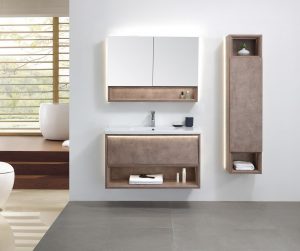
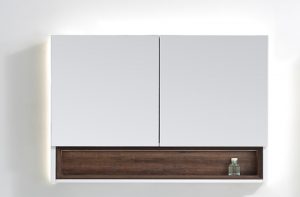
Choosing the best materials for bathroom vanities is one of the most important decisions you’ll make during a renovation. A vanity isn’t just a storage unit — it’s a design statement and a key part of your daily routine. The material you select affects how durable, stylish, and easy to maintain your vanity will be. Let’s explore the three most popular choices — timber, stone, and MDF — and see which one might suit your bathroom best.
1. Timber Bathroom Vanities
Timber vanities bring warmth and natural charm to any bathroom. Their organic texture and timeless appearance make them a popular choice for both modern and classic interiors. Real wood creates a spa-like atmosphere, especially when paired with soft lighting and natural finishes.
Pros: Timber is highly durable when properly sealed and maintained. It adds texture and a sense of luxury that artificial materials often can’t replicate. Timber can also be refinished over time, allowing you to refresh your vanity’s appearance without replacing it.
Cons: Since timber is a natural material, it’s more sensitive to moisture and humidity. Without correct sealing, it may warp or swell over time. Regular maintenance, such as oiling or sealing, is essential to preserve its quality.
Best for: Homeowners seeking a warm, natural look and willing to perform light upkeep to maintain its beauty.
2. Stone Bathroom Vanities
Stone vanities, whether made from marble, granite, or engineered quartz, exude elegance and sophistication. They’re often chosen for high-end bathrooms due to their visual appeal and long lifespan.
Pros: Stone is incredibly durable, heat-resistant, and easy to clean. It gives your bathroom a premium finish and pairs beautifully with a range of cabinet colours and tapware styles. Engineered stone is especially low-maintenance and resists staining better than natural stone.
Cons: Stone vanities are heavier and can be more expensive than other materials. Natural stone requires sealing to prevent water absorption, and certain varieties may scratch or etch with harsh cleaners.
Best for: Bathrooms where luxury and longevity are top priorities, and where the structure can support the weight of stone surfaces.
3. MDF (Medium-Density Fibreboard) Bathroom Vanities
MDF is a budget-friendly material made by compressing wood fibres and resin. Modern MDF vanities are finished with moisture-resistant coatings, making them a practical choice for many Australian homes.
Pros: MDF offers a smooth surface that’s perfect for painted or laminated finishes. It’s affordable, easy to clean, and comes in a wide variety of colours and designs. Many floating vanities use MDF for its lightweight and versatile qualities.
Cons: Despite being moisture-resistant, MDF is not entirely waterproof. Prolonged exposure to standing water or high humidity can cause it to swell or delaminate if not properly sealed. It’s also less durable than solid timber or stone.
Best for: Budget-conscious renovators looking for stylish design options without compromising too much on durability.
Which Vanity Material Should You Choose?
The best material for your bathroom vanity depends on your lifestyle, budget, and design preferences. If you love natural warmth and don’t mind some upkeep, timber is ideal. For a sleek, durable, and high-end look, stone is the way to go. If you prefer an affordable, versatile option for a modern home, MDF offers great value.
At CarGo Vanities, we provide a wide range of bathroom vanities crafted from quality materials, designed to suit every style and space. Explore our floating vanities, freestanding options, and more to find the perfect fit for your next renovation project.