

Choosing the right bathtub can completely transform your bathroom. Whether you’re building a new bathroom or upgrading an old one, the bathtub you choose affects comfort, style, and functionality. With so many shapes, materials, and sizes available, it’s important to understand what suits your needs and space. This bathtub buying guide breaks down these key factors so you can make a confident decision when purchasing your next bathtub.
1. Understanding Bathtub Shapes
Bathtubs come in a variety of shapes, each with its own purpose and appeal. Here are the most common options:
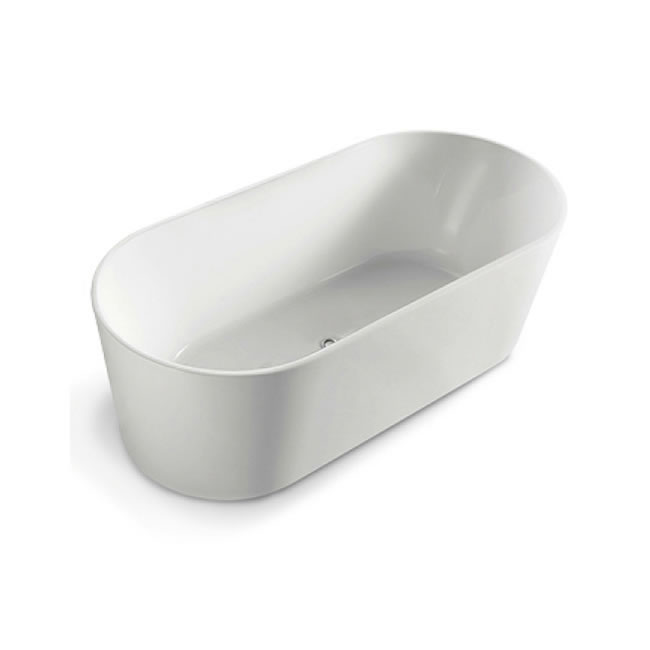
- Oval Bathtubs: Known for their soft, rounded shape, these tubs offer a relaxing and comfortable soak. They work well in both modern and classic bathroom designs.
- Rectangle Bathtubs: The most traditional and space-efficient option. They fit neatly against walls, making them ideal for compact bathrooms.
- Freestanding Bathtubs: Freestanding bathtubs available in various shapes, including slipper and clawfoot designs. These tubs create a luxurious focal point in the room.
- Corner Bathtubs: Designed to utilise unused corner space, these tubs are great for bathrooms with unique layouts.
The shape you choose should reflect both your style and the available floor space in your bathroom.
2. Choosing the Right Bathtub Size
Bathtub size plays a big role in comfort and practicality. The right size ensures a comfortable bathing experience without overwhelming your bathroom.
- Small Bathtubs (1400–1500 mm): Ideal for compact bathrooms or ensuites. These tubs still offer comfort without taking up too much space.
- Standard Bathtubs (1600–1700 mm): The most common size found in Australian homes. They provide plenty of room for a relaxing soak.
- Large Bathtubs (1750–1800+ mm): Perfect if you have the room and enjoy long, comfortable baths. These work especially well in spacious main bathrooms.
Before buying, measure your available space and consider how the bathtub will work with other fixtures like vanities, toilets, and shower screens.
3. Popular Bathtub Materials Explained
The material of your bathtub affects its durability, weight, heat retention, and price. Here are the most common materials found in Australian homes:
- Acrylic: Lightweight, affordable, and warm to the touch. Acrylic bathtubs are easy to install and available in many shapes and sizes.
- Fibreglass: A cost-effective option that’s easy to maintain. While lightweight, it may scratch more easily than premium materials.
- Stone Resin: A premium material known for its luxurious feel and excellent heat retention. Stone resin bathtubs are durable and create a high-end look.
- Cast Iron: Extremely durable and classic, but heavy. Cast iron tubs hold heat well but may require reinforced flooring due to their weight.
Choose a material that matches your budget, bathroom style, and installation needs.
4. Additional Features to Consider
Beyond shape and material, think about extra features that may improve your bathing experience:
- Slip-resistant surfaces for added safety
- Integrated armrests or headrests for comfort
- Overflow and waste positions that match your plumbing setup
- Freestanding vs. built-in installation depending on your bathroom layout
These small details help ensure your bathtub fits your lifestyle and bathroom design perfectly.
Conclusion
Choosing the right bathroom bathtubs involves balancing style, comfort, and practicality. Understanding the different shapes, sizes, and materials helps you make a decision that suits both your bathroom and your daily routine. If you’re ready to upgrade your bathroom, explore the range of quality bathtubs at Cargo Vanities to find one that matches your space and style.