

Choosing between a wall-mounted vs floor-mounted toilets is more than just a design decision — it’s about functionality, maintenance, and long-term comfort. Both styles have their advantages and limitations, and understanding these can help you make the right choice for your bathroom renovation or new build. Let’s explore the key pros and cons of each type so you can select what fits your space, budget, and lifestyle.
What Is a Wall-Mounted Toilet?
A wall-mounted toilet is fixed directly to the wall with its tank concealed inside the wall cavity. The bowl appears to “float” above the floor, creating a sleek, modern look. These bathroom toilets are increasingly popular in contemporary bathrooms for their minimalist design and space-saving appeal.
Pros of Wall-Mounted Toilets
- Space-saving design: Wall-mounted toilets make small bathrooms feel larger by freeing up floor space and offering a clean, uncluttered look.
- Easy to clean: With the toilet elevated from the floor, cleaning underneath and around it becomes effortless.
- Modern aesthetics: Their sleek, floating appearance fits beautifully into minimalist and designer bathrooms.
- Adjustable height: Installation allows for custom height adjustments, improving accessibility and comfort.
Cons of Wall-Mounted Toilets
- Higher installation cost: These toilets require concealed cisterns and wall reinforcements, which increase installation complexity and cost.
- Maintenance access: Since the tank is hidden, repairs may require accessing panels behind the wall, which can be tricky if not planned properly.
- Structural requirements: Not all walls can support the weight of a wall-hung toilet — especially in older buildings without solid framing.
What Is a Floor-Mounted Toilet?
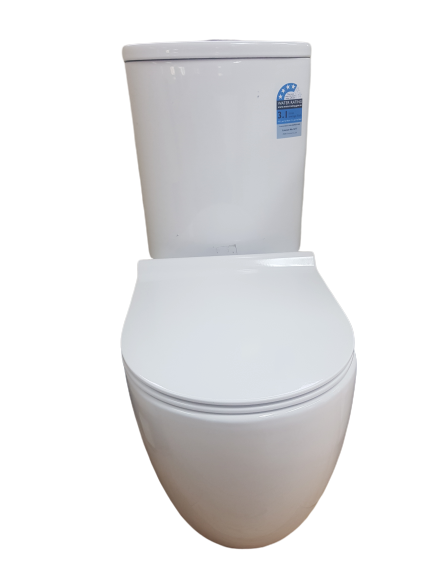
Floor-mounted toilets are the traditional style most homes feature. The bowl and tank sit directly on the floor, with plumbing connections visible or easily accessible. Despite their conventional design, they remain a reliable and cost-effective choice for many homeowners.
Pros of Floor-Mounted Toilets
- Affordable installation: Floor-mounted toilets are easier and cheaper to install since they don’t require wall framing or hidden cisterns.
- Simple maintenance: Access to the tank and plumbing is straightforward, making repairs and part replacements quick and easy.
- Wide variety: Available in many styles, sizes, and price ranges, floor-mounted toilets offer flexibility for every bathroom design.
- Durability: Their solid base provides stability and long-lasting performance without the need for wall reinforcements.
Cons of Floor-Mounted Toilets
- Harder to clean: The base and surrounding floor area can accumulate dust and grime, requiring more frequent cleaning.
- Bulkier design: Compared to wall-mounted versions, they can make compact bathrooms appear smaller and less open.
- Fixed height: Unlike wall-mounted toilets, you can’t adjust the height to your preference once installed.
Which One Should You Choose?
Your choice between wall-mounted vs floor-mounted toilets should balance aesthetics, practicality, and budget. If you value a modern, minimalist style and don’t mind a higher upfront cost, a wall-mounted toilet can transform your bathroom into a designer space. However, if you prefer easy installation, simple maintenance, and a more budget-friendly option, a floor-mounted toilet is the dependable classic.
Ultimately, both options offer excellent functionality — the decision depends on your personal preference and the type of renovation you’re planning.
Conclusion
When upgrading your bathroom, it’s important to choose fixtures that combine style and practicality. Whether you go for the sleek look of a wall-mounted vs floor-mounted toilets model for the reliability, Cargo Vanities has a range of modern, durable designs to suit every Australian home. Explore our latest collection at Cargo Vanities and find the perfect fit for your bathroom renovation project.